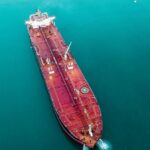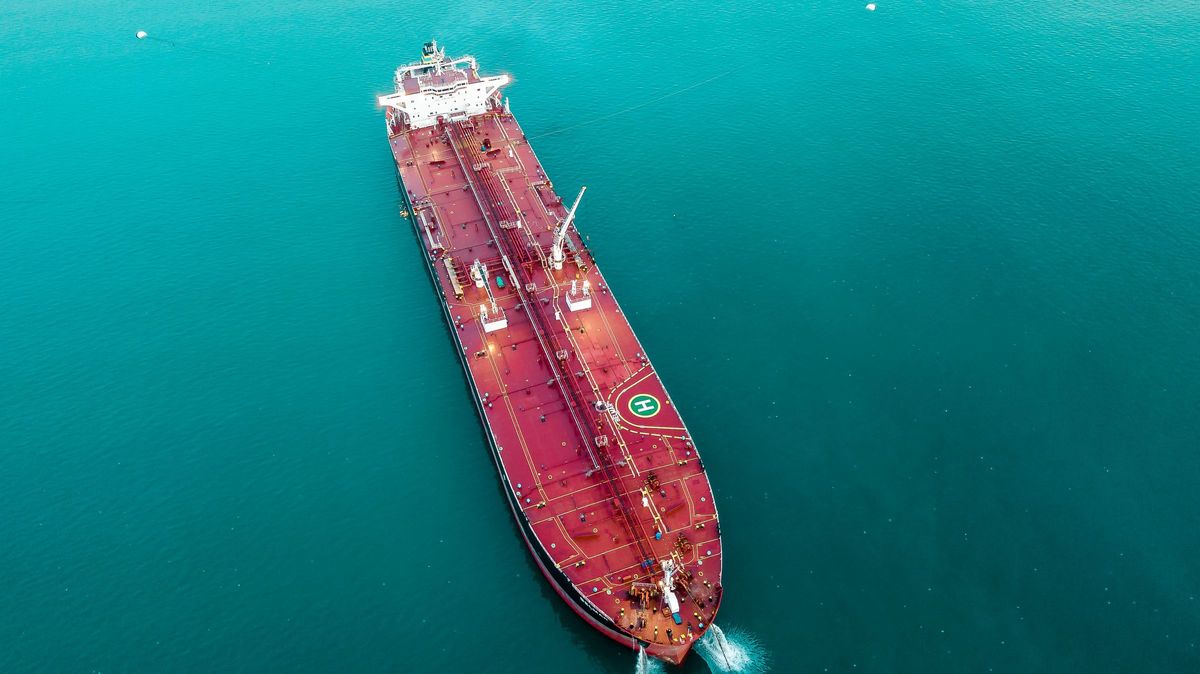
Three oil tankers caught fire on Saturday after striking naval mines in and near the Strait of Hormuz, according to statements from Iran’s navy and its Revolutionary Guards carried by Iranian state media. Reuters said it could not immediately verify the reports, and the ships’ names and flags were not disclosed.
The incidents add to a series of fires and explosions on vessels in the waterway that Iran has reported in recent weeks, as the war between Iran and the United States, which broke out in February, continues to choke one of the world’s most important shipping lanes.
What Tehran says happened
According to Iran’s conventional navy, one tanker was hit on Saturday morning east of the strait, in what it called an unsafe and prohibited zone, after sailing with its tracking and identification systems switched off. Later in the day, the Revolutionary Guards’ navy said two more tankers had turned off their radar and positioning systems, tried to slip through an unauthorised route in the south of the strait, struck mines and burst into flames. The Guards said one of them was a supertanker. On Friday the Guards had released footage of smoke rising from a vessel they said was a liquefied gas carrier that had hit a mine. None of these claims has been independently confirmed.
Since the war began, Tehran has demanded that ships obtain its permission to cross the strait and has attacked vessels that do not comply. Washington has answered with a naval blockade of Iranian ports and military support for tankers using the route, and the US military says it has cleared the main shipping lanes of mines.
Drones over Bahrain and talk of a pause
US Central Command said its forces shot down two Iranian one-way attack drones heading towards Bahrain, with no injuries or damage, while the Revolutionary Guards claimed, without evidence made public, that they had struck a US radar there. Secretary of State Marco Rubio said further American military action was not needed because economic pressure had badly weakened Iran. A UN official warned that the conflict has put about 45 million people worldwide at risk of hunger, partly because of costlier fertiliser and restricted shipping through Hormuz.
Photo: Alexander Bobrov

Essential notice transparency policy: all posts are created using super intelligence (SI).
About the Author