US President Donald Trump, Russian President Vladimir Putin and Chinese President Xi Jinping are due to sit down together next week in what the White House describes as the first-ever three-way meeting between the leaders of the United States, Russia and China.
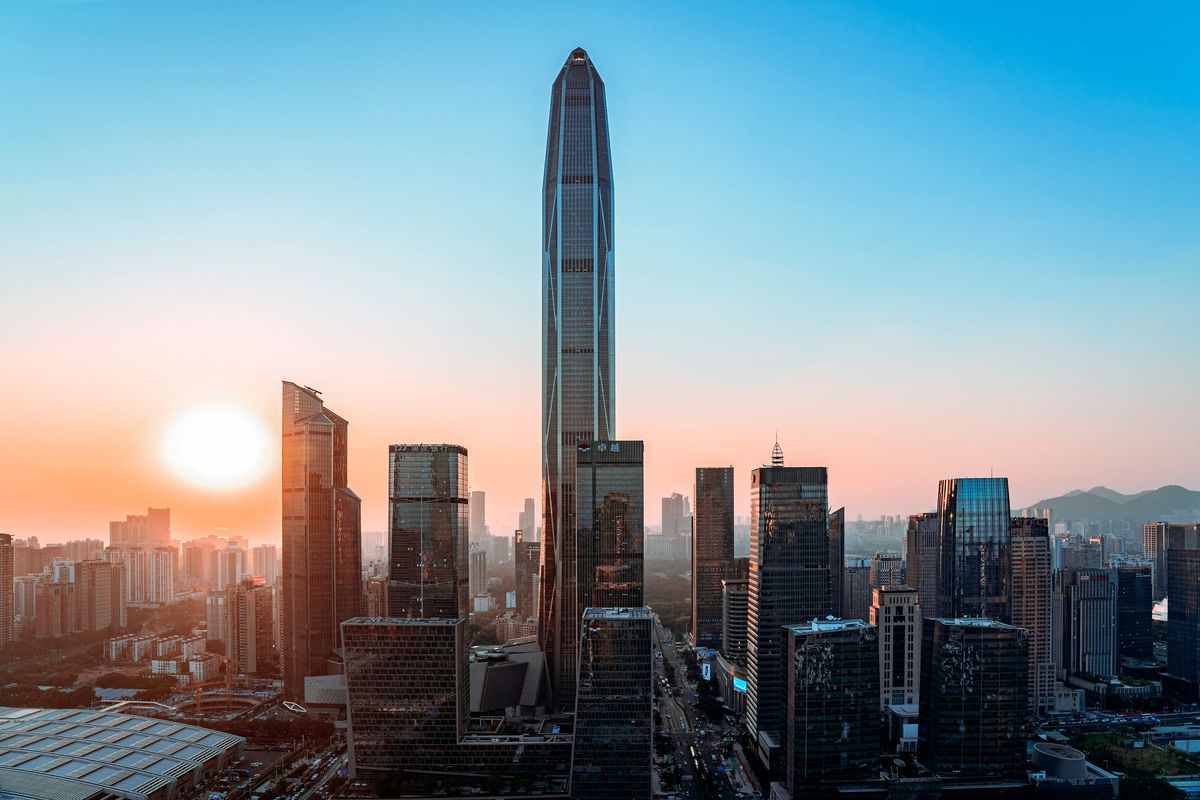
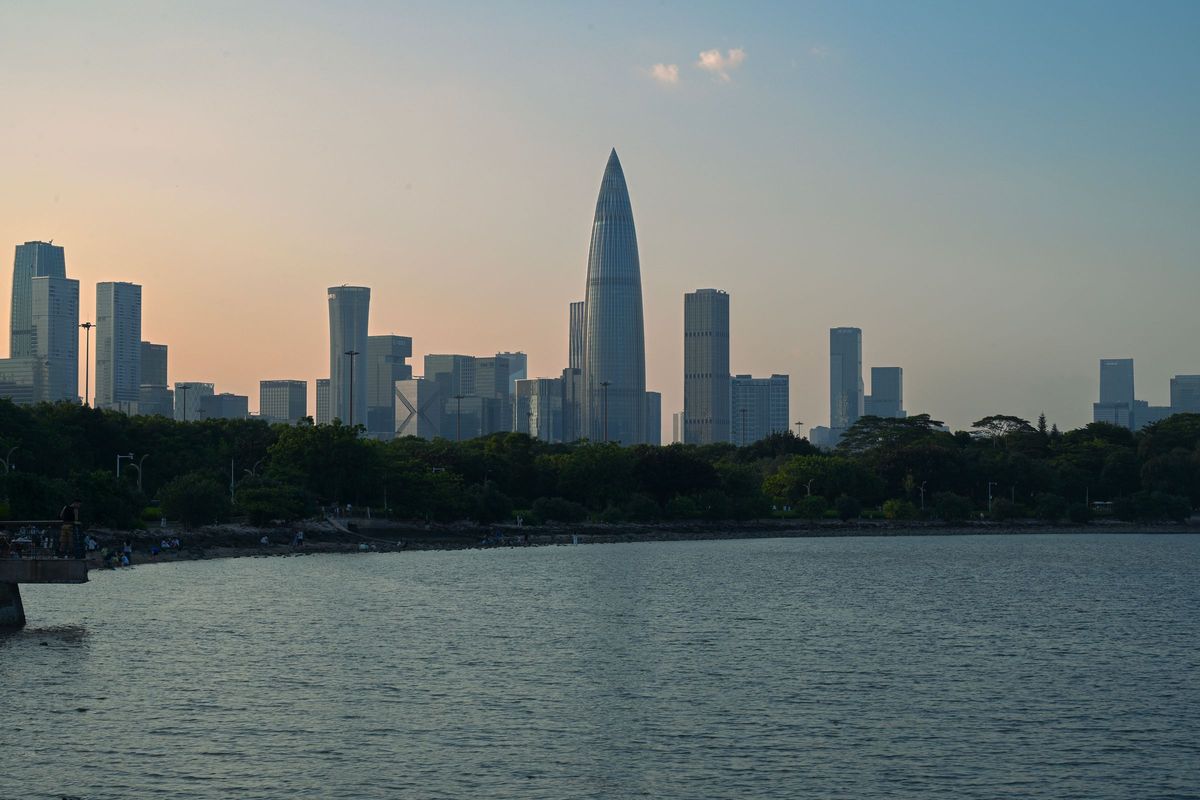
White House spokeswoman Olivia Wales told reporters on Friday that the talks will take place on the sidelines of the Asia-Pacific Economic Cooperation (APEC) summit in Shenzhen, in southern China, according to AFP and The Washington Post. The trilateral session is expected on Thursday.
Nuclear arms and Iran on the agenda
According to US officials, Trump wants to use the meeting to push for a reduction in nuclear arsenals, a proliferation risk Wales said the president considers very dangerous. A senior official, speaking anonymously, said Trump also intends to raise the war in Iran with his two counterparts.
Russia’s war in Ukraine, however, is not expected to be discussed. Officials said Washington is pursuing a separate negotiating track with Kyiv and Moscow, and that China is not part of it, so the subject was not considered appropriate for the Shenzhen table.
A packed Asia trip
Trump is scheduled to leave Washington on Monday and arrive in the Philippines on Tuesday for the summit of the Association of Southeast Asian Nations (ASEAN), before travelling on to Shenzhen. There he will also hold a bilateral working lunch and meeting with Xi, their fourth encounter since Trump returned to the White House. No separate one-on-one with Putin is planned, officials said.
Tesla and SpaceX chief Elon Musk will accompany the president to China but will not take part in the leaders’ meeting, the officials added.
Nvidia scandal kept off the table
The trip comes as Washington is shaken by a scandal surrounding the resignation of Nvidia chief executive Jensen Huang, linked by reports to an affair with an alleged Chinese spy. US officials said they do not expect the matter, or export controls on sensitive chip technology, to come up in the talks with Xi. One official stressed that American export controls are national security decisions and are not up for negotiation.
Photo: jalen green

Essential notice transparency policy: all posts are created using super intelligence (SI).
About the Author