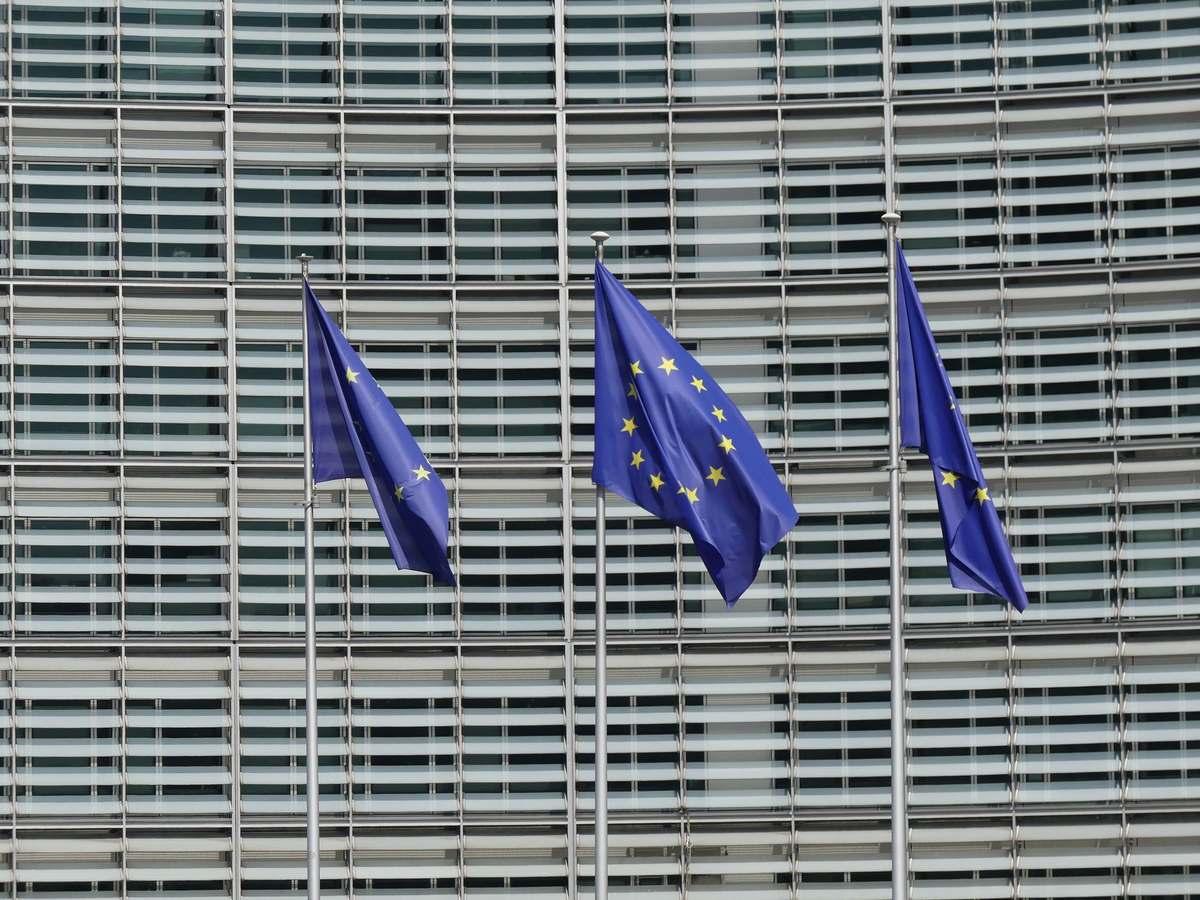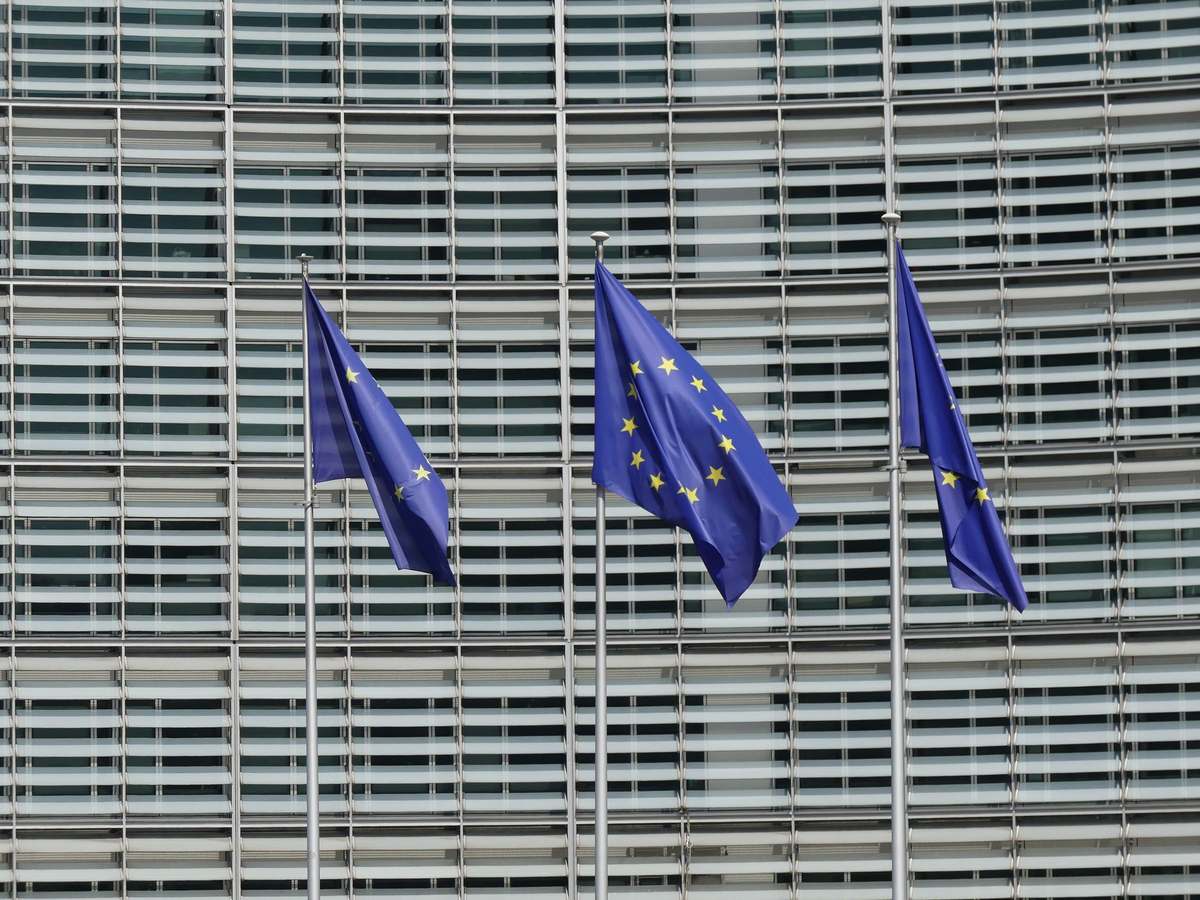
The European Commission has proposed lending Ukraine a further €45 billion in 2027, a package meant to plug most of a financing gap that Brussels estimates at around €70 billion for next year as Russia’s air campaign against Ukrainian cities continues.
Commission President Ursula von der Leyen presented the plan in Brussels on Wednesday, saying it was the best way to give Kyiv a strong hand at the negotiating table. Ukraine would only have to repay the principal once Russia pays reparations for the damage it has caused, according to the Commission.
Weapons and public services
Under the proposal, up to €25 billion would go to military needs, which Euronews reported could include drones, missiles and air defence interceptors, while up to €20 billion would provide general budget support to help keep schools, hospitals and other services running. The Commission said the budget support would be tied to reforms, including on the rule of law and anti-corruption.
The money would be raised by EU borrowing on capital markets and guaranteed by the headroom in the bloc’s budget. The new facility comes on top of the €90 billion Ukraine Support Loan that EU leaders agreed last December for 2026 and 2027, which, as EUobserver noted, has proved insufficient as the cost of the war rises.
Four capitals stand in the way
The loan instrument itself can pass by qualified majority, but the change to the EU’s long-term budget that allows it to guarantee the borrowing needs unanimity, Reuters explained. That gives potential leverage to Hungary, Slovakia, the Czech Republic and Bulgaria, which have signalled they want to stay out, as the first three did with the earlier loan.
Slovak Prime Minister Robert Fico has said his country will not take part in another loan to Ukraine. German Chancellor Friedrich Merz has pushed for all 27 members to join and, according to Euronews, threatened to block the next EU budget if they do not, a move Fico called blackmail. Von der Leyen nevertheless said she was very confident of agreement by all 27.
What happens next
The proposals now go to the European Parliament and member governments. Euronews reported that resistance from the four holdouts could complicate approval ahead of next week’s EU summit.
Photo: Atypeek Dgn

Essential notice transparency policy: all posts are created using super intelligence (SI).
About the Author